


Logistics Franchise in India: A Complete Guide for New Entrepreneurs
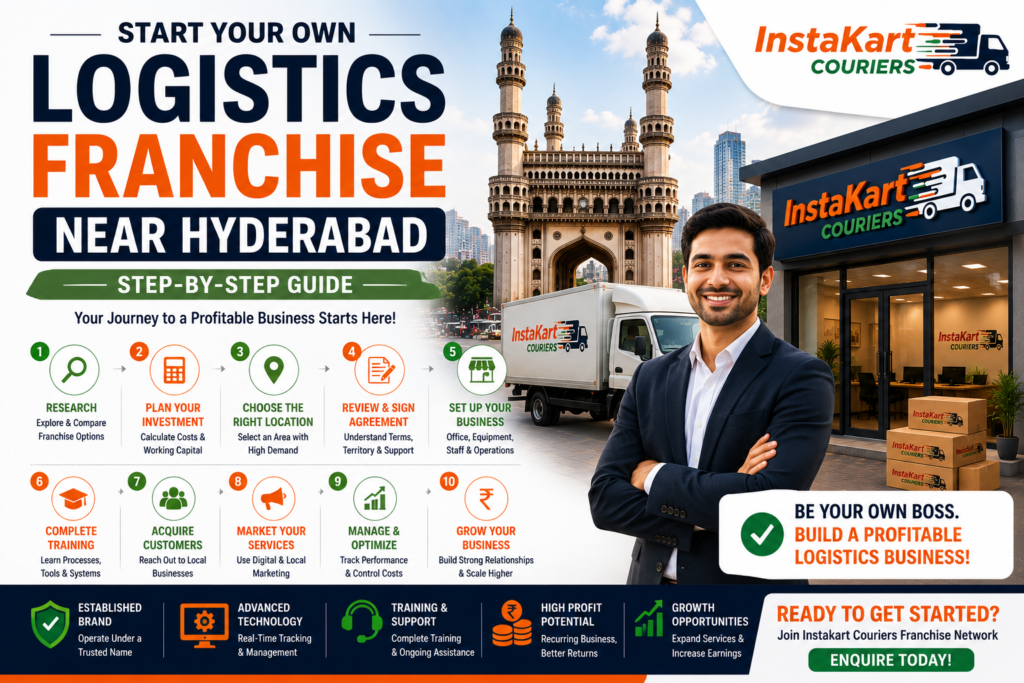
Logistics Franchise in India: A Complete Guide for New Entrepreneurs India’s logistics industry has become an important part of everyday business. From a small online seller shipping an order to a large manufacturer moving products across states, businesses depend on logistics to keep goods moving smoothly. At the same time, e-commerce, direct-to-consumer brands, retail businesses, and local enterprises are creating new demand for reliable delivery and distribution services. As a result, starting a logistics franchise in India has become an option worth exploring for entrepreneurs who want to enter the logistics sector with an established business model. However, a franchise is still a business, not a shortcut to guaranteed income. You need to understand the investment, operations, market, customers, responsibilities, and franchise agreement before making a decision. This guide explains what new entrepreneurs should know before starting a logistics franchise in India. What Is a Logistics Franchise? A logistics franchise allows an entrepreneur to operate a logistics business using an established company’s brand, systems, processes, and business model. Instead of developing everything independently, the franchise partner typically operates within a predefined framework. Depending on the company, support may include areas such as: The exact services and support can vary from one franchise company to another. Therefore, entrepreneurs should always check the terms of the specific franchise opportunity. In a typical model, the franchise partner becomes part of a larger logistics network and helps connect businesses, warehouses, and customers. Why Is Logistics a Growing Business Opportunity in India? India’s shopping and business habits have changed considerably. Customers increasingly order products online, while businesses are selling beyond their local markets. Consequently, a product may travel through several logistics stages before reaching the final customer. This creates demand for: Moreover, India’s logistics sector serves a wide range of industries. E-commerce is only one part of the picture. Manufacturing, pharmaceuticals, retail, agriculture, consumer goods, and small businesses also rely on dependable logistics. For an entrepreneur, this diversity can create opportunities to serve different types of customers rather than depending on a single market. How Does a Logistics Franchise Work? Although every franchise has its own operating structure, a basic logistics process can look like this: Business → Pickup → Sorting → Transportation → Local Hub/Warehouse → Last-Mile Delivery → Customer A franchise partner may be involved in one or several of these stages. For example, a local franchise could receive parcels from businesses, organise them according to destination, coordinate transportation, and manage final delivery. The warehouse can also play an important role. Parcels may be received, sorted, temporarily stored, and dispatched according to delivery requirements. Therefore, logistics is not simply about transporting a package from one location to another. It involves coordinating people, technology, vehicles, customers, warehouses, and information. Why Choose a Franchise Instead of Starting Independently? One of the biggest questions new entrepreneurs face is whether they should start their own logistics company or join an existing franchise. Both options have advantages and challenges. Starting independently gives you complete control over the brand, pricing, operations, and business strategy. However, you also have to build everything yourself. A franchise, on the other hand, may provide an established framework. An Existing Business Model You don’t have to develop your operational model entirely from scratch. Brand Support An established brand can give a new business a more structured identity in the market. Technology Logistics depends heavily on tracking and digital management. A franchise may provide access to systems that would otherwise require significant development or investment. Training and Guidance New entrepreneurs may benefit from operational guidance and training. Network Support Being part of a wider logistics network can provide advantages that may be harder to develop independently. Nevertheless, these benefits don’t eliminate the need for local marketing, customer acquisition, financial planning, or effective management. How Much Does a Logistics Franchise Cost in India? Investment is naturally one of the first things entrepreneurs want to know. However, there is no single cost that applies to every logistics franchise in India. The total investment can vary based on: Therefore, don’t evaluate an opportunity based only on the advertised franchise fee. Your actual business budget should include both setup expenses and ongoing operating costs. Initial Expenses These may include franchise or onboarding costs, premises, equipment, technology, branding, and other setup requirements. Monthly Expenses You may need to budget for rent, salaries, fuel, maintenance, utilities, communication, and other operating costs. Working Capital Working capital is particularly important during the early months. A new franchise may take time to build a stable customer base. Having sufficient funds for regular expenses can help you manage this period without unnecessary financial pressure. Before investing, prepare a realistic financial projection and understand your expected break-even point. Is a Logistics Franchise Profitable? A logistics franchise can have strong business potential, but profitability depends on execution. Several factors can affect the financial performance of a franchise: For this reason, be cautious about claims of guaranteed returns. Instead, create your own financial model. For example: Monthly Revenue – Monthly Operating Costs = Estimated Operating Profit Then consider different scenarios. What happens if shipment volumes are lower than expected? What if fuel costs increase? What if it takes six months rather than three months to acquire enough customers? Thinking about these situations before investing can help you make a more informed decision. Who Can Start a Logistics Franchise? A logistics franchise can be considered by entrepreneurs from a variety of backgrounds. You don’t necessarily need extensive logistics experience. However, you should be prepared to learn the operational side of the industry. The opportunity may appeal to people with experience in: Existing business owners may also explore a franchise if they already have suitable infrastructure, employees, or local business connections. Most importantly, you need an entrepreneurial mindset. Logistics is an active business. Customers may call about delayed parcels, employees may need supervision, vehicles may require maintenance, and shipment volumes can change from day to day. So, it is important to be prepared for hands-on management. How to Choose
Logistics Franchise in India: A Complete Guide for New Entrepreneurs Read More »